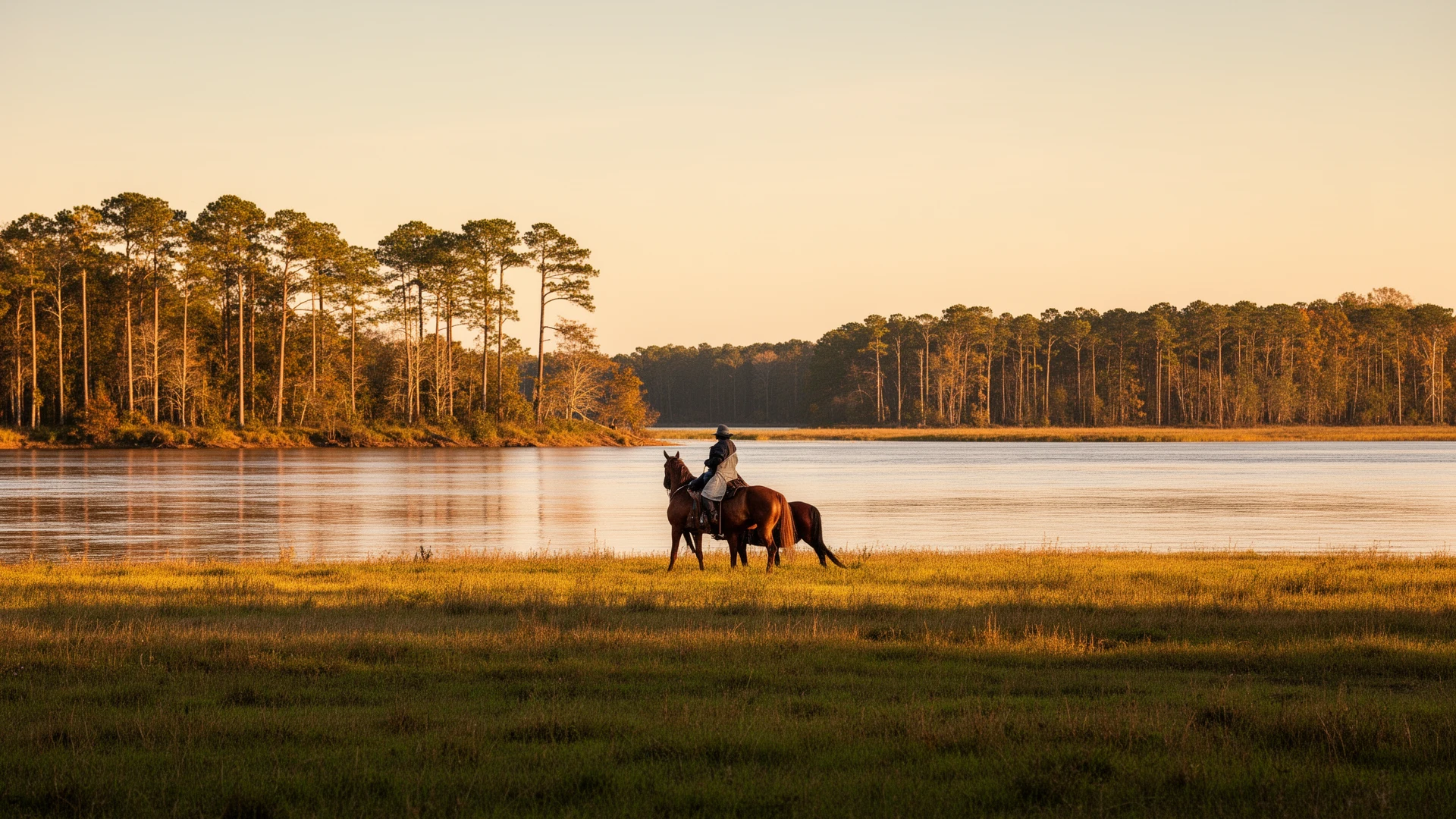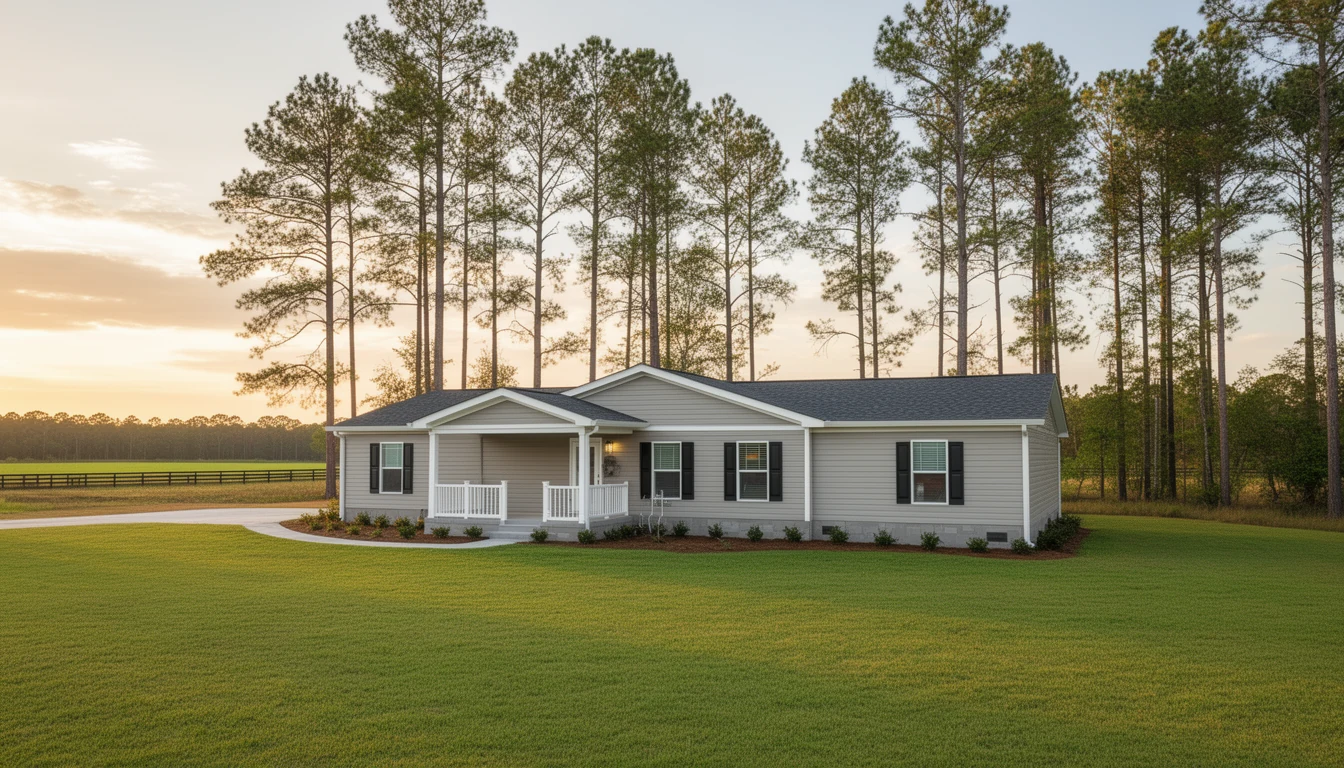


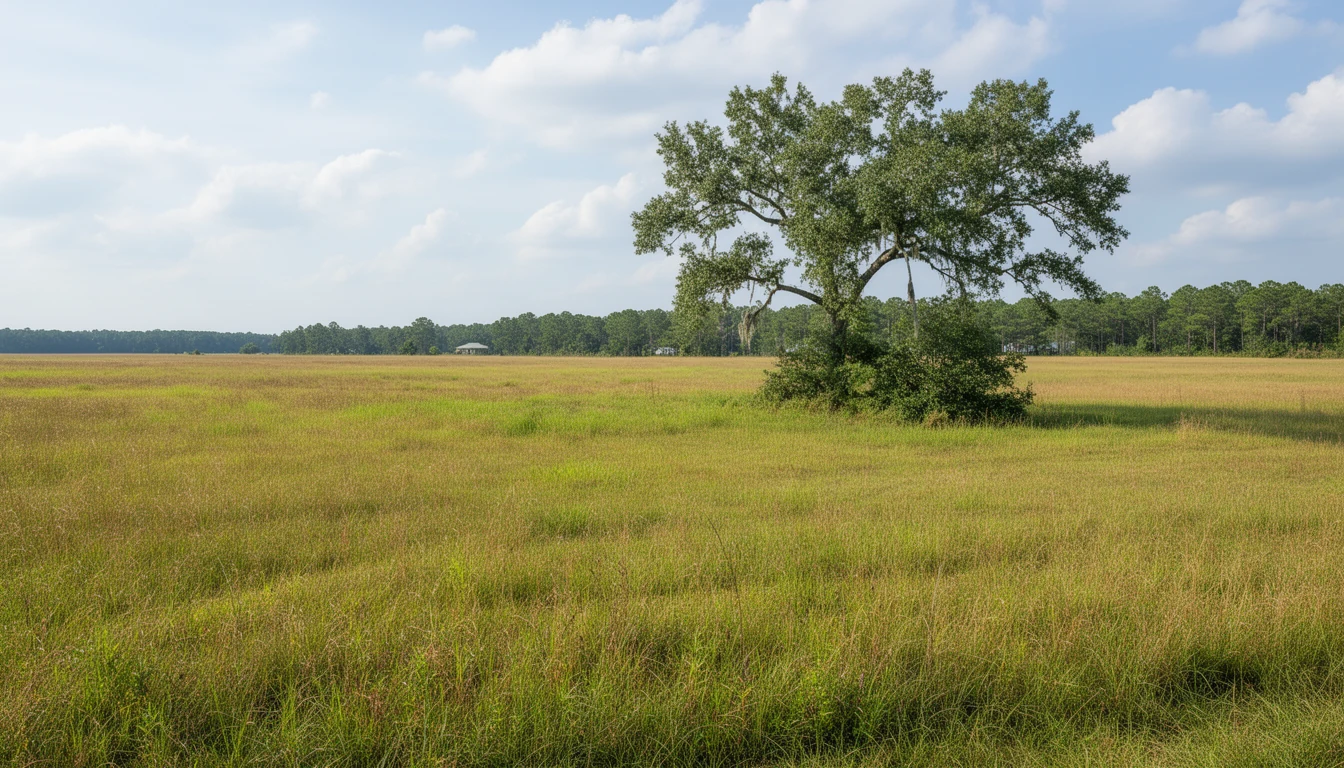
Buying rural land in Martin County is different from buying a house. There’s no model kitchen to walk through. What you’re buying is dirt, the water under it, and the paperwork that lets you use both. Drive the back roads here in August and you’ll see the pull: flat green farmland running out to timber lines, the wide Roanoke River sliding past bald cypress, tea-stained and calm, hazy heat over the fields by midafternoon. The smell of cut pine and turned soil carries for miles. Buyers come for that: priced out of Raleigh, chasing acreage to invest, or room to keep horses. This is the checklist I run before writing an offer on raw ground. Six questions, and every one has an honest downside.
1. Access: can you actually get to it?
Road frontage is the easy case. A lot of acreage here is back country, reachable only across somebody else’s land. If the route in depends on a neighbor’s permission, you need it in writing: a recorded easement a lawyer can check. A handshake is not an easement. A legal easement has its own costs, though: shared maintenance duties, and wording that may limit what you can drive or build along it. Read it like the contract it is, and sort it out before you offer.
2. Water: what comes out of the ground
Almost any rural tract here will need its own well. In this flat Tidewater ground along the Roanoke, well yield and water quality vary tract to tract. Don’t take a seller’s word for it. Ask the neighbors how their wells run, and talk to a driller who works the county; they know which formations give up water. A new well is a real line item, and the cost varies with depth and casing; pin the number down before you budget. It’s easy to resent that check before you own the land; harder to forgive yourself for buying land you can’t water.
3. Septic: what the soil will accept
Outside the towns of Williamston, Robersonville, Hamilton, and Jamesville, you’re on your own for wastewater. A septic system has to work with the soil on the tract. Flat, low ground drains differently than upland, and the county’s septic rules set setbacks from wells, streams, and property lines. A soil evaluation and perc test tells you what the ground will take. It costs money before you own the land, and the result is less pass-or-fail than a design spec. But learning after closing that the lot won’t perc is the kind of surprise that turns a land deal into a regret.
4. Flood risk: the map is your friend
The Roanoke River is the strongest thing about this county: tea-stained water, cypress swamp along the banks, boat ramps at Williamston, Jamesville, and Hamilton, and Moratoc Park’s boardwalk, pier, and canoe launch right at the county seat. River land is the most beautiful land around, and it floods. Check the FEMA flood maps before you get attached. They show which side of the line a tract sits on, and flood insurance is a yearly bill. Being outside the mapped floodplain doesn’t mean never wet; being inside it doesn’t mean flooded every spring. It means you price the insurance before you write the offer. I wrote a full chapter on flood risk for river-adjacent buyers, and it goes deeper on this.
5. Zoning and taxes: what changes when you buy
Most farmland around here is zoned for agriculture, and ag zoning often comes with a present-use value tax break that keeps the annual bill reasonable. The part buyers miss: that treatment can change at transfer. The seller’s exemption doesn’t automatically follow the new owner, and the county’s revaluation schedule can reset expectations. A conservation easement can lower the price, but it also binds what you can build, cut, or subdivide, whoever owns it next. Both can be good deals, and both deserve a conversation with the county tax office before you commit; the working-farms chapter goes deeper. If horses are the point, the Bob Martin Eastern Agricultural Center and Martin Community College’s equine program anchor that demand here.
6. Timber: what’s standing on the land
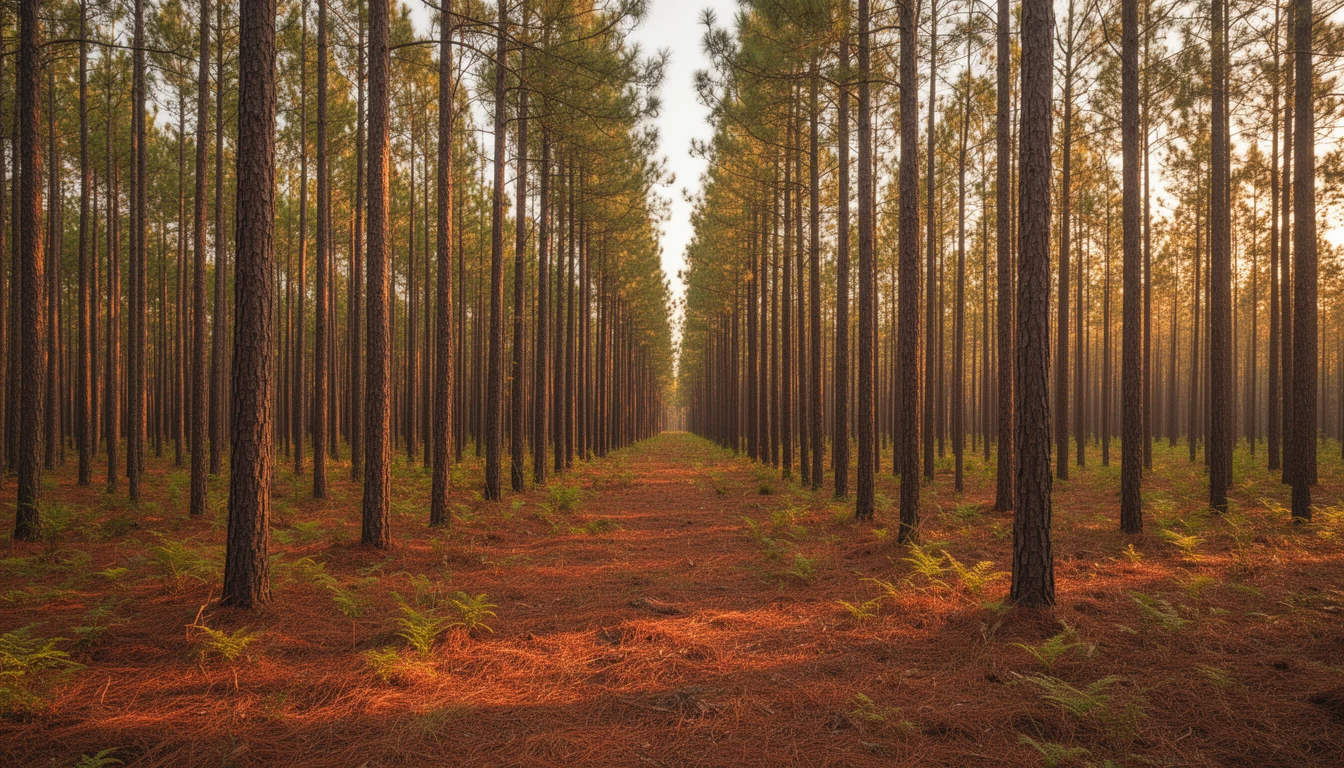
On acreage, the trees are part of the price. A forester’s timber cruise tells you what a stand is worth as timber versus what it costs to clear. In this part of the state, tracts on the order of 1,300 acres and up trade for timber and hunting. The flip side: Roanoke bottomland grows bald cypress swamp in places, gorgeous and nearly worthless as building ground. Timber prices move with the market, so treat the cruise as a snapshot, not a promise. Whatever the trees are worth, know the boundary lines before you pay for the first one. Survey first, cruise second; the timber-and-hunting chapter goes deeper. None of these checks is a reason to walk away by itself. Together they’re the difference between buying a tract and understanding the tract you’re buying. Land here is patient. You should be too. If you’re looking at acreage here, call Travis Old at Horizon Realty Group. He’ll pull the flood map with you, put you in touch with well drillers, soil testers, and foresters who work this county, and walk the boundary lines before you sign anything. That’s the homework that keeps a land buy from becoming a land lesson.