
Rural Internet in Martin County: 7 Checks Before You Buy


In this post
- 1. Pull the FCC map at the exact address
- 2. Check the state’s project dashboard before you trust a date
- 3. Ask for the bill, not the brochure
- 4. Look at what the service rides on
- 5. Test the cell signal where the desk would go
- 6. Measure the distance to the nearest served address
- 7. Price the stopgap, then decide
- What belongs in the offer
One bar of signal. The laptop is open on the kitchen counter of a farmhouse off NC-903 outside Williamston, the spreadsheet is up, and the video call drops for the third time. The listing sheet back in the truck said high-speed internet available. It got a buyer to the closing table. It did not get them a workday.
Broadband in Martin County is not a countywide yes or no. It changes from road to road, and sometimes from one side of a ditch to the other. Here are seven checks that answer the question before you sign instead of after.
1. Pull the FCC map at the exact address
The National Broadband Map at BroadbandMap.FCC.gov lists the providers that report service to a location, along with the technology and the advertised speeds. Type in the street address, not the town name. A town search returns a service list for the whole place. An address search returns what the map says about that parcel.
That data comes from the providers, not from a technician standing in the yard. Treat the map as a starting list of phone numbers to call, and use the FCC’s challenge process when it’s wrong. Wrong listings happen often enough that the agency built a way to dispute them.
2. Check the state’s project dashboard before you trust a date
North Carolina’s broadband office publishes dashboards that show GREAT and CAB funded projects by county, provider, and status, including the households and businesses each project claims to serve. Filter to Martin County and read the list.
There is a live project here worth knowing about. Fybe received $4 million in federal American Rescue Plan money through the GREAT grant program to reach 667 homes and 42 businesses in the county that had no service, and the company is putting in another $2,316,740 in matching funds. Construction is expected to be finished by July 2026, and the build rolls out in phases, so addresses light up a street at a time. Fybe describes the multi-phase project as bringing fiber to more than 2,100 homes and businesses across the county.
That’s real fiber coming. It is not a promise about your address. If the house sits inside a funded area, the timing question is months. If it sits outside, the honest answer is that nobody knows, and a seller who says “fiber is coming” is repeating a press release, not a schedule.
3. Ask for the bill, not the brochure
Ask the seller for the last six months of internet invoices. A bill shows the provider, the speed tier they actually pay for, the equipment charge, and the monthly total. A provider’s website shows what a marketing department wishes were true.
Then ask for a speed test run inside the house, at the wall where the router sits, at 7 p.m. on a weekday. Fixed wireless and older cable nodes both slow down when the neighborhood gets home. A test at noon on a Tuesday flatters the connection.
4. Look at what the service rides on
Ask what the connection physically is: a cable drop, a phone line, a fixed wireless antenna, or a dish on the roof.
An older house on a copper phone line running DSL is a different purchase than a house with fiber at the wall. DSL speed falls off with distance from the equipment, so a line that tests fine at the road can crawl at the back of a long drive. If there’s an antenna on the roof, find out who owns it and whether the account transfers at closing. Some fixed wireless agreements don’t follow the house.
5. Test the cell signal where the desk would go
Carrier maps are advertisements. Your phone on the kitchen table is evidence. Walk the property with it: the corner where a home office would sit and the porch. Make a call and see whether it holds. Run a speed test on cellular data and write the number down.
If cellular is your backup, that’s fine, as long as you know it before you move in. If cellular is the whole plan, read the data cap first, because a work-from-home week built on video calls eats a hotspot plan fast.
6. Measure the distance to the nearest served address
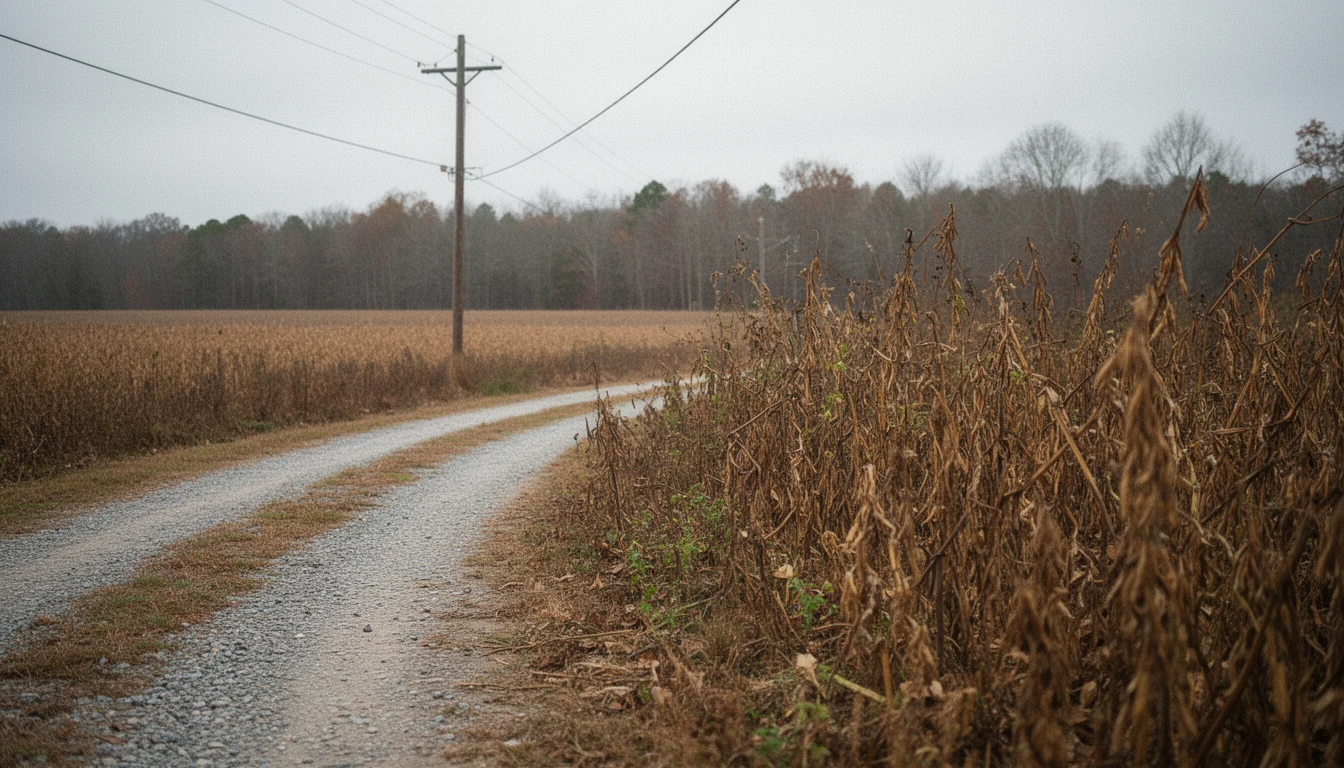
Fiber gets built down a road, not across a field. Drive the route in and look up at the poles. Aerial fiber shows as a bundle lashed to the strand, and fresh builds often leave a tell in new pedestals and orange conduit at the driveway.
Then find the closest address that has service and measure how far away it is. A house 2,000 feet up a private lane can sit outside a build area even when the county road at the end of the lane is fully served. That last stretch is where quotes turn into “not in our service territory.”
7. Price the stopgap, then decide
Satellite and hotspot service both work, and both carry a cost the listing never mentions. Satellite carries latency, which shows up as a half-second lag on every call. Hotspots carry data caps, and a household of four streaming on one will find the ceiling.
Add the monthly cost of the stopgap to your housing budget before you make an offer, and check upload speed, not just download. A connection with plenty of download and a thin upload is fine for streaming and miserable for anyone who presents on video or moves large files.
What belongs in the offer
Internet is a due diligence item, and it belongs in writing. Ask for the current provider, the account’s speed tier, and a written statement of what service is available at the address, on the same contingency window you’d use for the well and the septic system. If a funded fiber build is the thing that makes the purchase work, check the address against the project map and put a date on the decision.
Here’s the trade, stated plainly. A farmhouse on a dozen acres with a slow connection is still a good buy for plenty of people, especially when the work is seasonal or the office is in town. What makes it a bad buy is finding out at the closing table that the plan you built doesn’t survive the driveway.
Read the bill. Look at the poles. Walk the property with your phone out. Service in this county improves every year, and the only reliable way to know what your address gets is to ask the address.
Keep reading
8 Hidden Costs of Rural Homeownership the MLS Never Lists
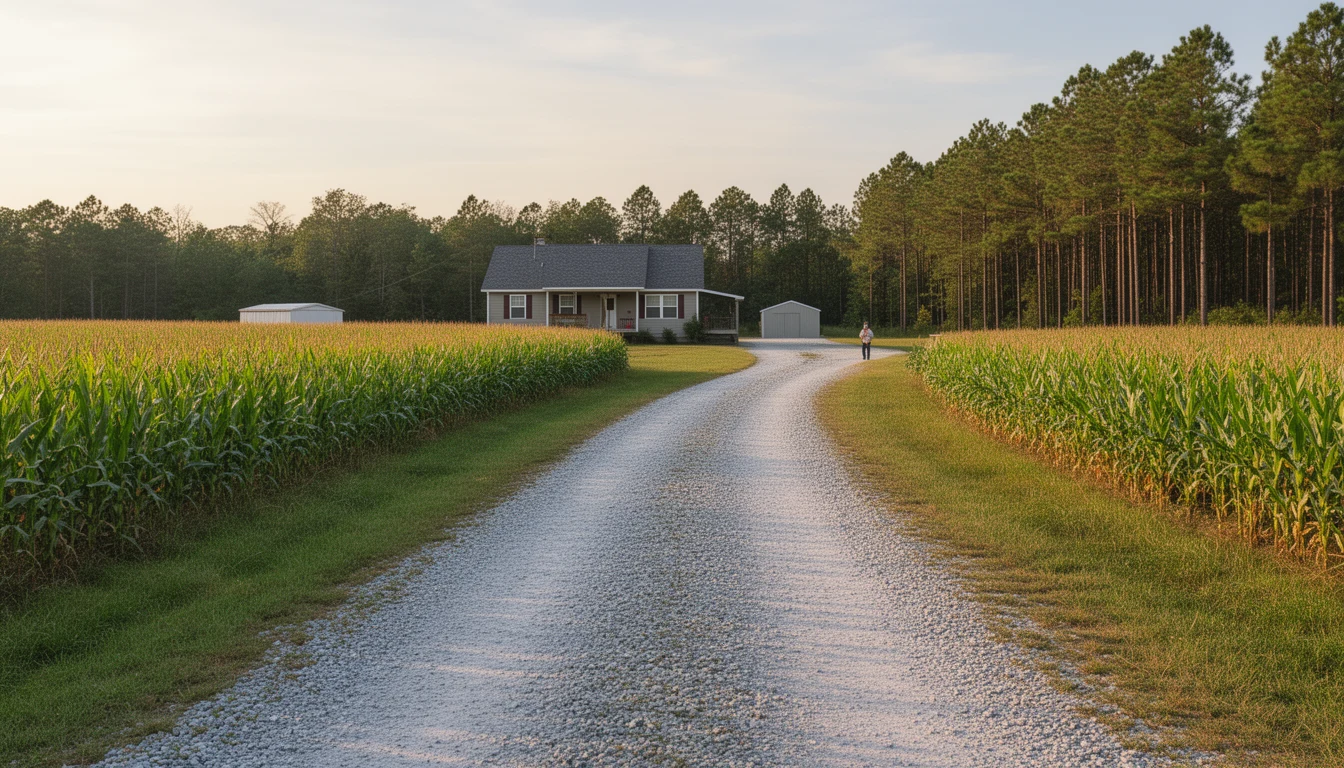
Eight hidden costs rural homeowners in Martin County meet after closing: wells, septic, private roads, flood insurance, and long drives nobody lists.
6 Things to Check Before Buying Rural Land in Martin County
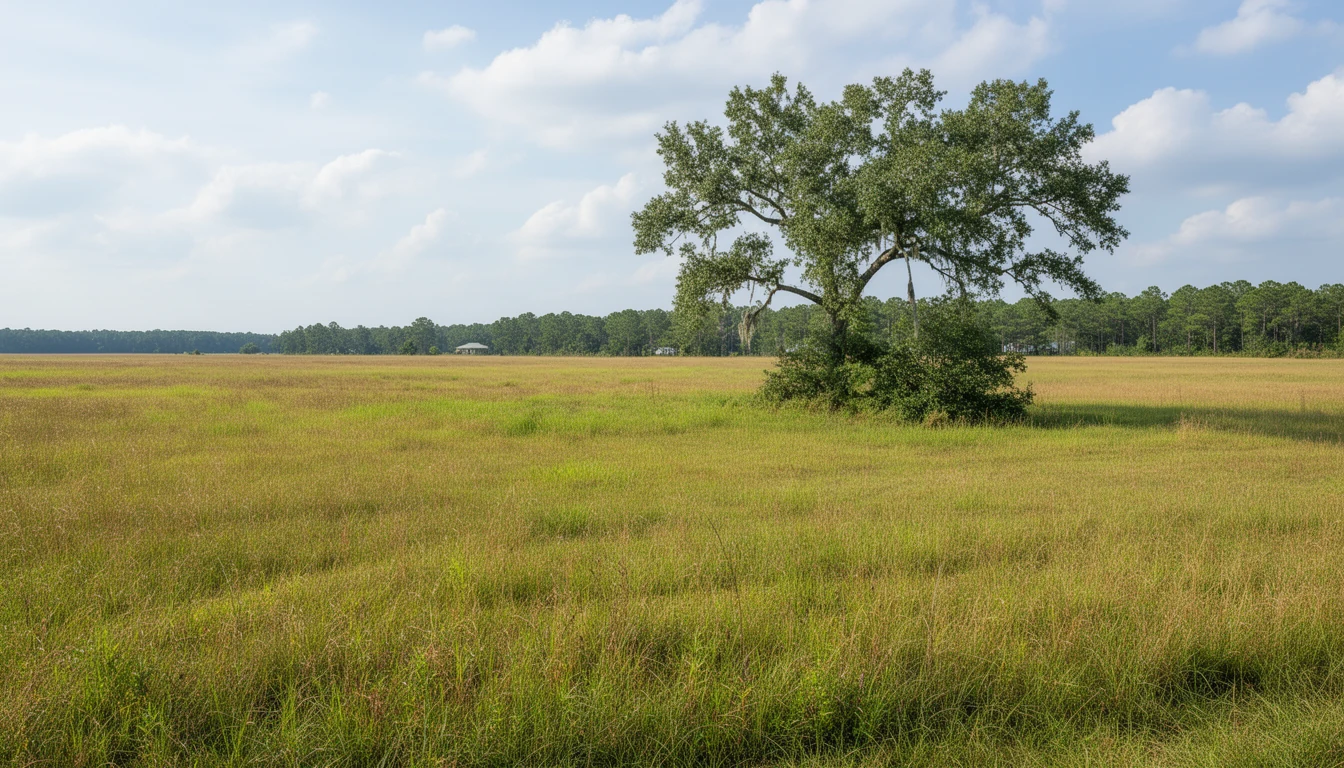
Six practical checks before buying your rural land in Martin County: road access, well water, septic, flood maps, ag zoning, and timber value.

Martin County Contracts: The Cost of Walking Away
A 2022 NC Supreme Court ruling confirmed buyers who breach a purchase contract can owe attorney's fees. What that means for Martin County buyers.